Rust Never Sleeps: The Cost of Silence in Uncertain Times
Originally published at linkedin.com
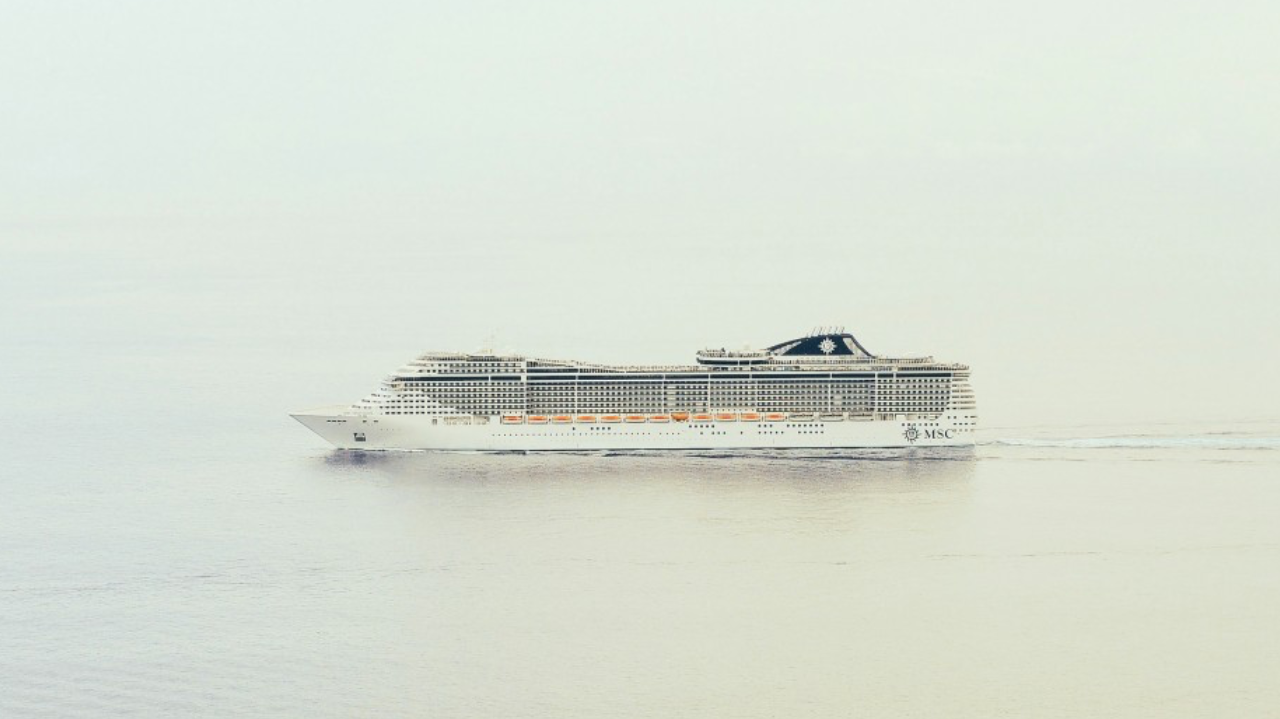 Photo by Krzysztof Kowalik on Unsplash
Have you ever wondered why ships don’t rust away? After all, they are huge hunks of steel floating in salt water - not usually a great combination. The reason is that they have something called a sacrificial anode. This is a carefully selected piece of metal attached to the ship’s hull. But it can’t be just any metal. It needs to be a type that corrodes faster than the ship’s steel, so it effectively “sacrifices” itself to protect the vessel. This process, called cathodic protection, diverts corrosion away from the ship’s structure. Once the sacrificial anode is exhausted, then it can be replaced with a new piece of metal so that the ship remains protected.
In teams and organisations the reality is that there are always many personalities and agendas at play. Tension and conflict are a natural part of the process to discover issues, navigate options and embed change.
However, depending on the circumstances, people working inside organisations don’t always feel safe to stick their neck out.
John Cutler recently did some research which he shared on the No-nonsense Agile podcast about organisational politics and the state of play on the ground in technology and product organisations. What he found is that there is a very low level of trust. Layoffs have been severe, and the broader economic and political climate (in the USA at least) is encouraging people to act in a tribal and protective manner. Perhaps most surprisingly, he goes as far as to suggest that for many folks it is probably better to keep your head down at the moment rather than to raise issues and push for change. That advice, coming from John who has historically been a champion of promoting new and better ways of working, really struck me.
So what does this have to do with rusty ships?
I’ve spent most of my professional career a consultant and advisor, working with the kind of people who engage authentically and tell it how it is. I see that as the main value proposition of a consultant - someone who can provide an external perspective, and whose main responsibility it is to shine a light on the challenges and opportunities at hand, without being encumbered by organisational politics. These insights don’t always land well with everyone, and that is OK. Like the sacrificial anode, the role of the consultant is often to absorb the brunt of any disagreement and pushback. And like the sacrificial anode, the lifecycle of a consultant in an organisation will at some point end. But at the end of the day, I have seen this process help move teams and organisations forward, enabling them to safely have difficult conversations and to make important decisions.
A brewing concern I have is that there is potentially a double whammy at play. As John identified, many people within organisations are not currently well positioned to be bold. However, at the same time, many organisations aren’t bringing in the help of external consultants and advisors. Every conversation I have with my industry peers reflects this - most people have never seen the market this quiet, and organisations so reluctant to engage.
It’s as if ships are suddenly deciding they don’t need sacrificial anodes anymore, while simultaneously their crews are too scared to report any signs of rust. As a consultant, I can’t help but worry: are we heading for a perfect storm of organisational corrosion?
I’d love to hear what the observations and recent experience of other people has been - both inside organisations and as consultants.